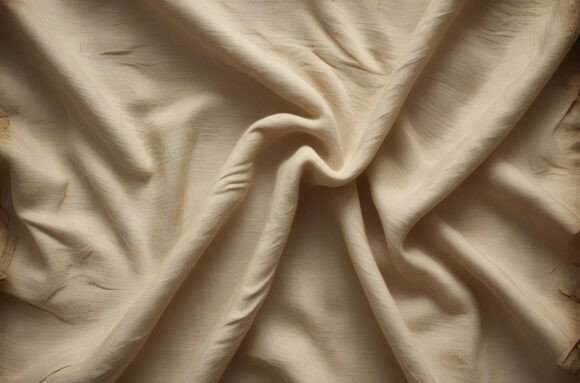
A Close Up of a Cloth Texture: A Versatile Design Asset
When it comes to adding depth and visual interest to your creative projects, a close-up of a cloth texture can be a game-changer. This high-quality JPG file offers more than just a background—it brings a tactile, organic feel that can elevate everything from digital art to social media posts. Whether you're a designer, a small business owner, or someone who loves to create, this texture is a valuable resource that can fit into a wide range of scenarios.
Understanding the Value of a Cloth Texture
A close-up of a cloth texture captures the intricate details of fabric, from the weave of a cotton shirt to the softness of a wool sweater. It’s not just about the look—it’s about the feeling. When used in design, this texture adds a layer of realism and warmth that can make your work stand out. Unlike flat, generic backgrounds, a cloth texture introduces dimension and character, making it ideal for projects where authenticity matters.
Real-World Applications of a Cloth Texture
Imagine you're designing a set of invitations for a boutique wedding. A plain white background might feel too sterile, but a subtle cloth texture can add elegance without overwhelming the design. Or if you're creating a presentation for a client, using a cloth texture as a backdrop can give your slides a professional, polished feel that reflects attention to detail.
For entrepreneurs, this texture can be a powerful tool for branding. A small business selling handmade goods might use a cloth texture as part of their website or social media graphics to reinforce the artisanal nature of their products. Similarly, a graphic designer working on a product mockup could use the texture to simulate how a printed item might look when placed on a real fabric surface.
How Different Users Can Benefit
Freelancers and digital artists often rely on high-quality textures to enhance their work. For example, a digital illustrator creating a book cover might use a cloth texture to give the design a more tactile, vintage feel. A photographer looking to create a composite image could overlay the texture to add depth and contrast, making the final image more visually compelling.
Educators and students might find the texture useful for presentations or classroom materials. A teacher preparing a lesson on textiles could use the image to illustrate different fabric types, while a student working on a design project could incorporate it to add visual interest to their portfolio.
Scenarios Where a Cloth Texture Shines
Consider a scenario where you're designing a social media post for a fashion brand. Using a cloth texture as the background can help the clothing items stand out while maintaining a cohesive aesthetic. It also gives the post a more authentic, editorial feel that resonates with your audience.
If you're working on a printable project like a planner or a journal, a cloth texture can add a unique touch that makes your product more appealing. It's also great for sublimation projects, where the texture can enhance the visual appeal of custom mugs, t-shirts, or phone cases.
What to Consider Before Using a Cloth Texture
Before incorporating a cloth texture into your design, think about the purpose of your project. Is it meant to be subtle or bold? The texture should complement, not compete, with other elements. Also, consider the resolution and format. A high-resolution JPG file like this one ensures that the texture looks crisp and clear, whether it's used online or in print.
Another factor to consider is the software you’re using. Most major design tools like Photoshop, Illustrator, and Canva support high-quality images, but it’s always good to check compatibility. If you're new to using textures, take some time to experiment with different placements and opacity levels to see what works best for your design.
Why This Texture Stands Out
Unlike generic stock images, a close-up of a cloth texture offers something unique. It’s not just a background—it’s a detail-rich element that can add personality to your work. Whether you're creating something for personal enjoyment or professional use, this texture provides a level of quality that can make a real difference.
Its versatility means it can be used across multiple platforms and projects. From web design to print, from social media to product packaging, this texture adapts to different needs without losing its impact. It’s a simple yet effective way to add depth and character to your creative output.
Final Thoughts on Using a Cloth Texture
In the world of design, small details can have a big impact. A close-up of a cloth texture is more than just an image—it’s a tool that can enhance your work in countless ways. By understanding how and when to use it, you can unlock new possibilities for your creative projects. Whether you're a seasoned designer or just starting out, this texture is a valuable addition to your toolkit that can help you achieve more professional, polished results.