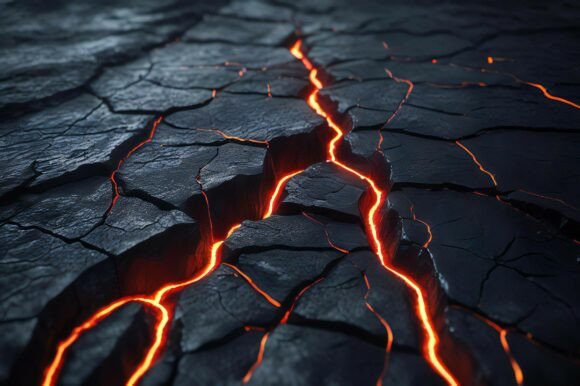
A Crack in the Ground: A Unique Background for Creative Projects
If you're looking for a versatile and visually striking background image to elevate your creative work, A Crack in the Ground could be the perfect addition to your design toolkit. This high-quality JPG file offers a dynamic and eye-catching visual that can enhance a wide range of projects, from digital art to print materials. Whether you're a professional designer or a hobbyist, understanding how to use this background effectively can make a big difference in the quality and impact of your work.
What Is A Crack in the Ground?
A Crack in the Ground is a downloadable background image designed to add depth and interest to various creative projects. It features a unique texture that mimics the appearance of a crack in the earth, offering a natural and organic look. This image is ideal for designers who want to add a subtle yet powerful visual element to their work without overwhelming the overall composition.
The image is available as a high-resolution JPG file with dimensions of 4736 x 2688 pixels, making it suitable for both print and web use. Its versatility allows it to be used in a variety of formats, including digital art, social media graphics, presentations, and more.
Common Mistakes When Using A Crack in the Ground
While A Crack in the Ground is a valuable resource, there are several common mistakes that users may encounter when incorporating it into their projects. One of the most frequent issues is not considering the context in which the background will be used. For example, using a textured background on a website with light-colored text can reduce readability and make the content harder to engage with.
Another mistake is not adjusting the image to fit the specific needs of the project. Some users may download the image and use it as-is, without resizing or modifying it to match the dimensions of their design. This can lead to inconsistencies and a less polished final result.
How These Mistakes Affect Your Work
Using A Crack in the Ground without proper consideration can have a negative impact on the overall quality of your work. For instance, if the background is too busy or dark, it may distract from the main content rather than enhancing it. This can lead to a poor user experience, especially in web design or marketing materials where clarity and focus are essential.
Additionally, failing to optimize the image for different platforms can affect performance. Large file sizes may slow down websites or cause issues when printing. It's important to ensure that the image is properly formatted and compressed for the intended use.
Practical Advice for Better Results
To get the most out of A Crack in the Ground, start by evaluating the specific needs of your project. Consider the size, color scheme, and purpose of the design before deciding how to use the background. For example, if you're creating a poster, you might want to adjust the contrast or brightness to ensure that the text remains legible against the background.
Another helpful approach is to experiment with different layers and effects. Many design software programs allow you to overlay the background with other elements, such as text or images, to create a more cohesive and professional look. This can help you achieve a balanced composition that highlights the strengths of the background while maintaining visual harmony.
What to Check Before Using A Crack in the Ground
Before downloading or using A Crack in the Ground, take a moment to review the specifications and requirements. Ensure that the image is compatible with the software you plan to use, and check the resolution to confirm that it meets your project's needs. If you're working on a print project, verify that the image is print-ready and that the colors will appear as intended.
It's also a good idea to test the image in different contexts. For example, view it on various devices and screen sizes to see how it looks in different environments. This can help you identify any potential issues before finalizing your design.
Best Practices for Effective Use
To avoid common pitfalls and maximize the benefits of A Crack in the Ground, follow these best practices:
- Understand the purpose: Determine how the background will be used and what effect it should have on the overall design.
- Adjust the image: Resize, crop, or modify the background to fit the dimensions and style of your project.
- Test different applications: Experiment with the background in various formats and settings to see how it performs.
- Optimize for performance: Compress the image if necessary to ensure fast loading times and smooth functionality.
By taking these steps, you can ensure that A Crack in the Ground enhances your work rather than detracts from it.
Conclusion
A Crack in the Ground is a valuable tool for creatives looking to add a unique and dynamic background to their projects. By understanding its capabilities and avoiding common mistakes, you can use this image to create visually compelling designs that stand out. Whether you're working on digital art, web design, or print materials, the right approach can make all the difference in achieving professional results.