Living Room Vector Illustration Design: A Versatile Tool for Modern Design Projects
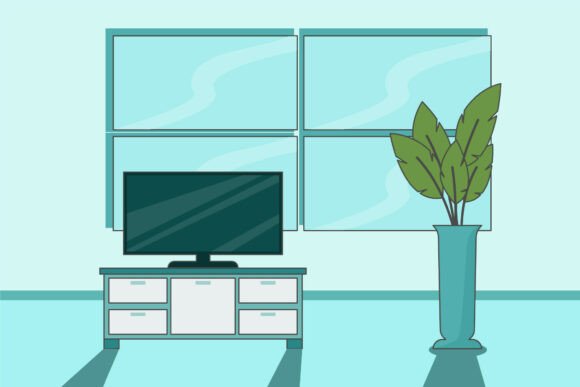
Living room vector illustration design has become a popular choice among designers, businesses, and creatives looking for high-quality, adaptable graphics. These illustrations typically feature simple 2D cartoon-style furniture, including a sideboard, television, and plant pot, making them ideal for apartment or home decoration concepts. Whether you're working on advertising materials, business cards, or custom gifts, these designs offer a flexible solution that can be used across multiple platforms.
What Makes Living Room Vector Illustration Templates Unique?
One of the standout features of living room vector illustration templates is their versatility. These designs are created using vector graphics, which means they can be scaled to any size without losing quality. This makes them perfect for both digital and print projects. The inclusion of different file formats such as JPG, PDF, and EPS ensures compatibility with a wide range of design software, allowing users to choose the format that best suits their workflow.
The simplicity of the design elements—like a cartoonish sideboard, a television, and a plant pot—makes these illustrations easy to integrate into various themes. They can be used to represent modern apartments, cozy homes, or even commercial spaces like cafes or retail stores. Their clean lines and minimalistic style also make them suitable for branding and marketing campaigns where visual clarity is essential.
Practical Applications of Living Room Vector Illustration Design
Living room vector illustration design is not just limited to interior design projects. These graphics can be used in a variety of creative and commercial contexts. For example, they can be printed on advertising flyers to showcase home decor services or used on business cards to promote a design agency. They also work well as custom prints for mugs, ornaments, and other promotional items, adding a unique touch to personal or corporate gifts.
Another practical use is in vinyl cutting projects. Many designers and DIY enthusiasts use these illustrations to create wall art by cutting them out of vinyl and applying them to surfaces. This method allows for quick and cost-effective decoration, especially for those who want to update their space without investing in expensive furniture or artwork.
Why Choose Vector Graphics for Your Projects?
Vector graphics offer several advantages over raster images, especially when it comes to scalability and editability. Unlike pixel-based images, vectors maintain their sharpness at any size, ensuring that your design looks professional whether it's printed on a business card or displayed on a large banner. This makes them an excellent choice for projects that require flexibility and precision.
Additionally, the ability to edit vector-based designs gives users more control over the final product. You can easily change colors, adjust shapes, or modify elements to match your specific needs. This level of customization is particularly useful for businesses that want to maintain a consistent brand identity across different mediums.
Understanding File Formats: JPG, PDF, and EPS
When working with living room vector illustration design, it's important to understand the different file formats available. The JPG format provides high-definition images that are great for web use or digital presentations. However, it’s a raster file, meaning it may lose quality if scaled up too much.
The PDF format offers a balance between quality and usability. It preserves the vector elements while allowing for easy sharing and printing. This makes it a popular choice for designers who need to send files to clients or printers.
The EPS (Encapsulated PostScript) format is ideal for advanced users who need full editing capabilities. It retains all the vector data, making it perfect for use in Adobe Illustrator or other professional design software. If you're looking for the best results, opening the EPS file in Adobe Illustrator is recommended, as it allows for maximum flexibility and precision.
Key Features to Look for in a Living Room Vector Illustration Template
When selecting a living room vector illustration template, there are several factors to consider. First, check the resolution and quality of the image. High-definition vector files ensure that your design remains crisp and clear, regardless of how it's used.
Next, look at the level of detail included in the design. A well-crafted illustration should include all necessary elements, such as furniture, decor, and background, to create a complete scene. This helps save time and effort, as you won’t have to add extra components manually.
Finally, consider the ease of use. Some templates come with non-editable text or fixed elements, which may limit your ability to customize the design. Opt for templates that allow you to modify vector-based elements freely, giving you more creative freedom.
How Living Room Vector Illustration Design Fits Into Modern Workflows
In today’s fast-paced design industry, efficiency is key. Living room vector illustration design supports modern workflows by offering ready-to-use assets that can be quickly integrated into projects. Whether you’re a graphic designer, a small business owner, or a DIY enthusiast, these illustrations help streamline the design process and reduce production time.
They also align with current trends in minimalist and functional design. As more people prioritize clean, uncluttered spaces, these illustrations provide a visual representation that resonates with contemporary aesthetics. This makes them a valuable tool for anyone involved in interior design, marketing, or product development.
Recommendations for Using Living Room Vector Illustration Design
To get the most out of your living room vector illustration design, start by identifying your specific needs. Are you creating promotional materials, designing a website, or producing physical products? Each application may require a slightly different approach, so it’s important to choose a template that matches your goals.
Consider experimenting with different color schemes and layouts to see how the design can be adapted to various themes. Many templates allow for easy customization, so don’t hesitate to play around with the elements to find the perfect fit for your project.
Lastly, always make sure to back up your files and keep track of your design choices. This will help you maintain consistency across your work and avoid unnecessary revisions down the line.